Home > Blog > Spotlight On YAFies: Giants Tie Dye & Ms Lam Sze-ling
Spotlight On YAFies: Giants Tie Dye & Ms Lam Sze-ling
Posted on 1/03/2025, BY HKYAF
Subscribe to our Blog Via Email
Enter your email address to follow this blog and receive notification of new posts by email...
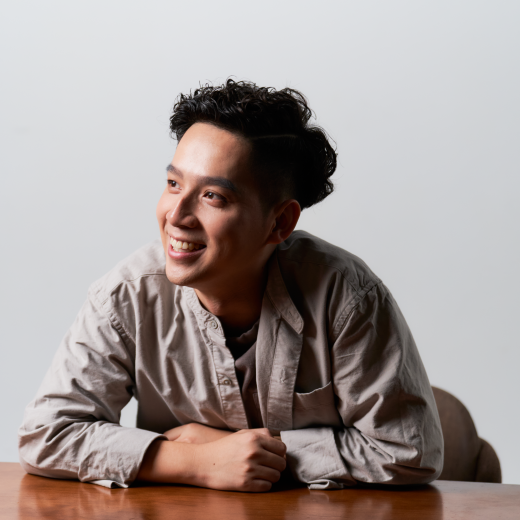
Giants Tie Dye
Tie dye artist group
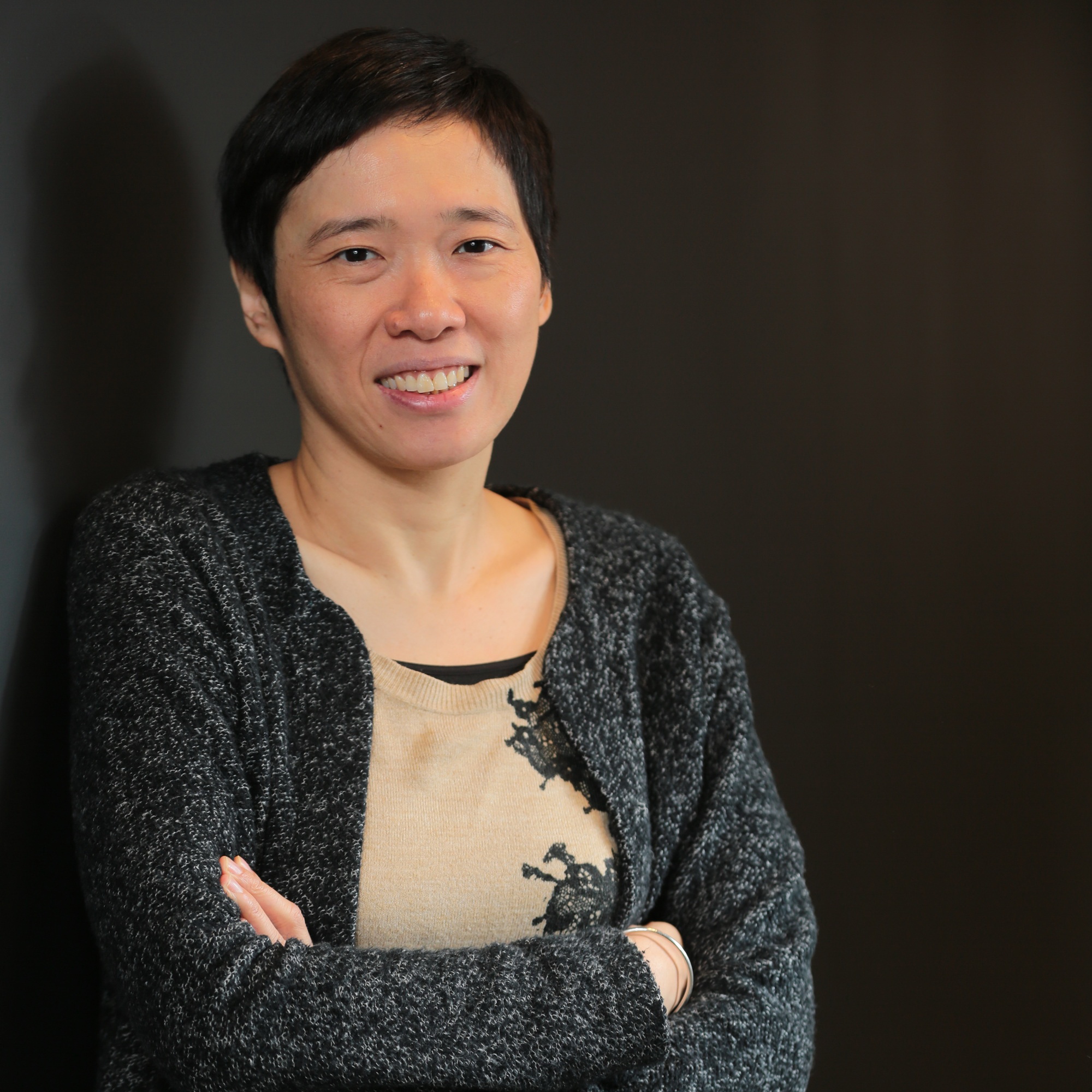
Ms Lam Sze-ling
Ebenezer School teacher
Why do you use natural dye as your primary medium?
Giants Tie Dye: Natural dye is a combination of water, fabric, and colour from nature. Natural colours change depending on where they are sourced, the plant condition, and the season they are collected. During the dyeing process, we tend to leave room to showcase the natural qualities of the dye. Each time, it reveals a unique, one-of-a-kind result, like unwrapping a gift from nature.

What made you want to enrol your students in the stART Up Community Arts Project two years in a row?
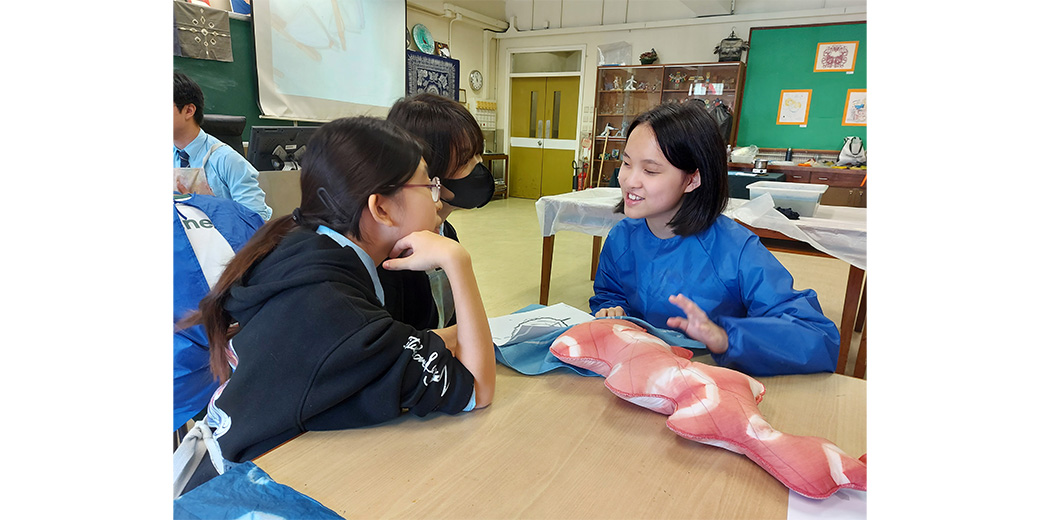
Ms Lam: The project gives students the opportunity to learn from different artists in the environment of their own classroom, explore different mediums and techniques, and engage in hands-on art experiences. Outside the classroom, they also get to collaborate with peers from mainstream schools and attend an exhibition that showcases their own work. It’s a very special learning experience.


How can art connect people with different physical abilities?
Giants Tie Dye: There's no right or wrong in art, no being strong or weak. Art brings colour to the community and helps people build connections.
Ms Lam: Art is a powerful tool for self-expression, as well as a bridge to understanding and connections. People with disabilities can also find a way to express themselves if they are shown the right medium and technique, whether it’s through sight, hearing, smell, touch or movement. It can create connections between individuals, and between individuals and art or particular works. These connections and shared stories promote understanding and foster diversity and inclusivity.
What were the most challenging and unexpected aspects of leading this inclusive workshop?
Giants Tie Dye: The workshop involved visually impaired students, some of whom were completely blind. The biggest challenge was introducing colours. During the process, we asked the students to touch and smell the plant dyes, smell them, and describe them verbally. We helped them understand that they could dye vibrant colours like bean paste red, grass green and sky blue. Their visual impairments didn’t affect their creativity.
What surprised us most was the interaction between the sighted and visually impaired students. The sighted students learned about their peers' physical limitations and were amazed by what they could do. At the end of the workshop, the sighted students added texture to the visually impaired students' designs using wax batik, and presented it as a gift. I was so impressed by how well the group worked together, and their mutual respect and understanding.
Ms Lam: After our students created the leaves using their sense of touch and smell, students from the mainstream school added three-dimensional finishing touches with wax batik that our students could touch and feel. I didn’t expect that the outcome would be so collaborative.


How has this inclusive process affected you and the students?
Giants Tie Dye: Our focus wasn't on colours and patterns this time. Instead, we tried to incorporate more tactile, 3D elements that allowed the visually impaired students to add their own personal touches. The final products were adorable. It was a breakthrough in our creative process.
Ms Lam: The collaboration helped students understand individuals with different backgrounds and abilities. Each student recognised their worth and contributed equally. It enhanced their creativity, communication and collaboration skills.
What insight have you gained regarding interacting with people with disabilities?
Giants Tie Dye: Just because someone has physical limitations, it doesn’t mean they are "weaker". Respect everyone’s differences and don’t make assumptions.
Ms Lam: Try to understand people’s limitations and needs. Respect them, provide equal opportunities and appropriate assistance.
What message do you hope to share through Botanic Touch? What would you like the audience to pay special attention to?
Giants Tie Dye: We often believe that we can understand things fully just by looking. Through Botanic Touch, we want the audience to appreciate the work from the perspective of visually impaired individuals. Not just to look with their eyes, but to feel the textures and the wax with their sense of touch. This is the best way to experience this series of work.
Ms Lam: In art, everyone is equal. The audience can try to close their eyes and feel the leaves with their hands, and experience some of the sensations the students explored during the creation process.

What does your ideal inclusive community look like?
Giants Tie Dye: A place where everyone recognises their unique identity and finds their own way to connect with the world, so diversity and differences can be celebrated.
Ms Lam: A place where everyone has equal opportunities, regardless of their background, ability or gender. Resources and support should be distributed to nurture the potential of all individuals and create a cooperative community.
What advice do you have for young people with disabilities who are passionate about art?
Giants Tie Dye: Only you can be yourself. No one else in the world can replace you. You are special. Find your own unique way of creating.
See YAF blog
1/08/2025
Spotlight On YAFies: Zoe Wong
1/10/2024
Spotlight On YAFies: Lola Clavel and Stephanie McNicol
1/06/2023
Spotlight On YAFies: Molly Wong
1/05/2023
Spotlight On YAFies: Karen Pow
1/04/2023
Audition Tips for Actors
1/04/2023
Auditions Tips for Dancers
1/03/2023
Spotlight on YAFies: Chao Harn-kae
1/02/2023
Spotlight on YAFies: Kessay Chan
15/12/2022
Spotlight on YAFies: Wendy Tsang
1/12/2022
Spotlight on YAFies: Christopher Chung

Comments