Home > Blog > Spotlight On YAFies: Dean Squire
Spotlight On YAFies: Dean Squire
Posted on 1/08/2026, BY HKYAF
Subscribe to our Blog Via Email
Enter your email address to follow this blog and receive notification of new posts by email...
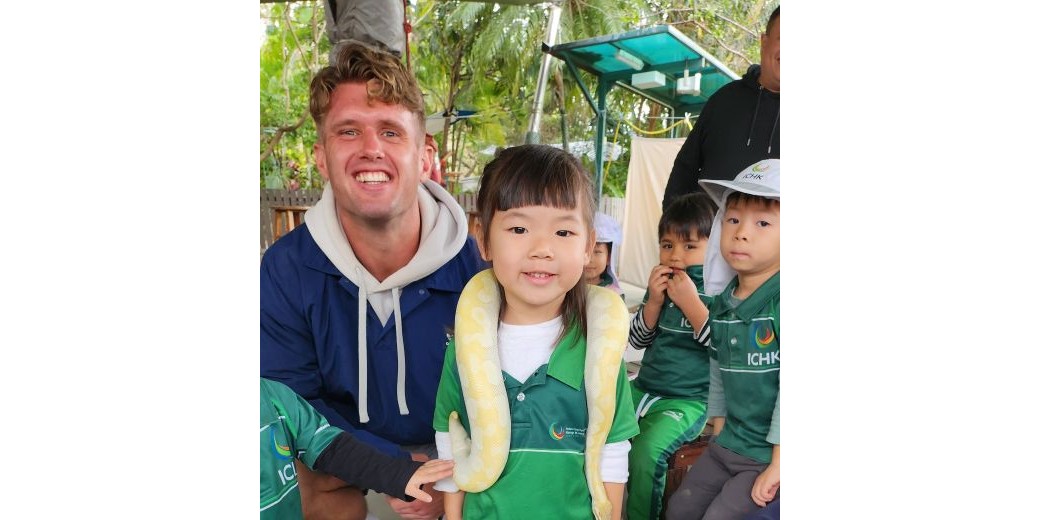
Dean Squire
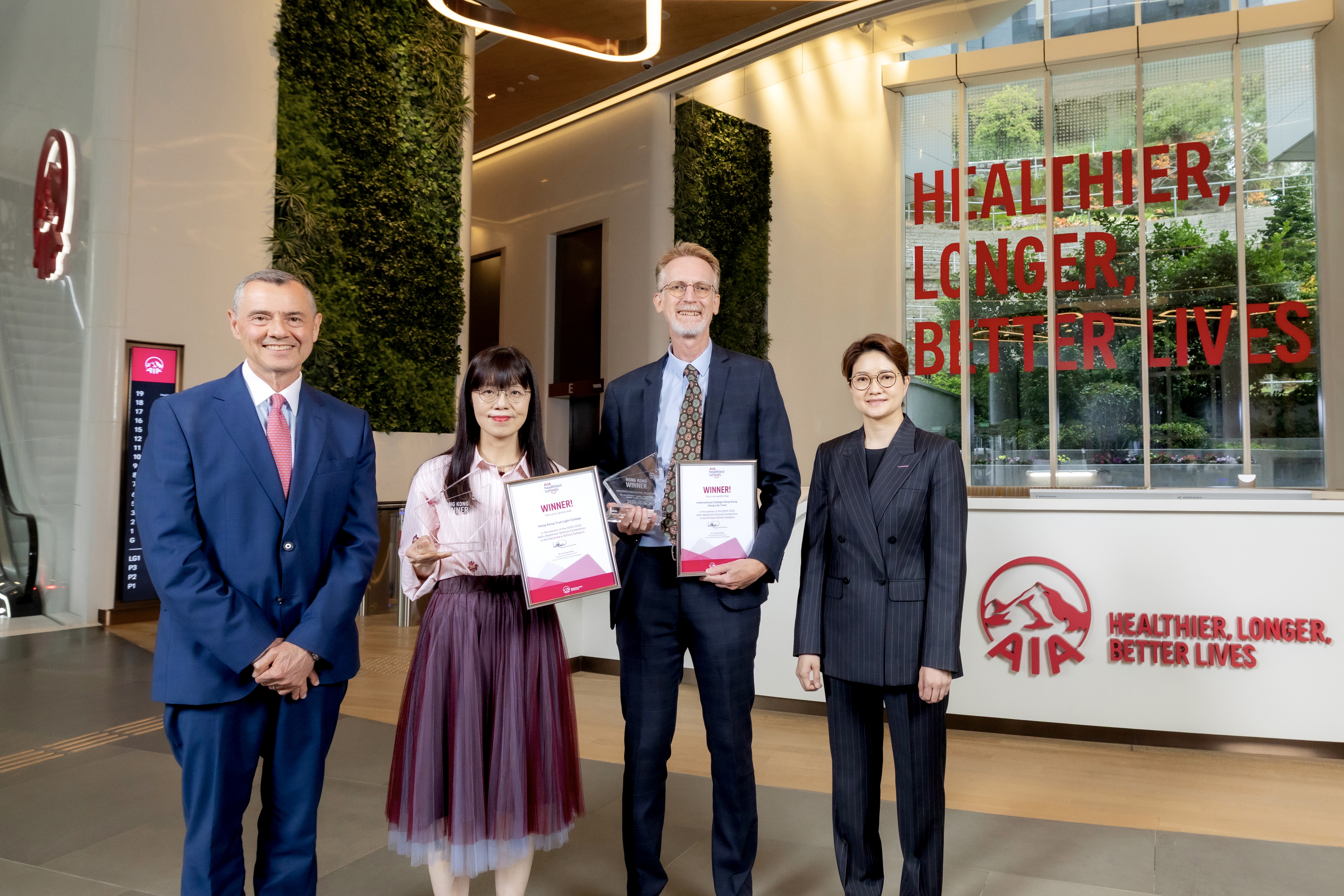
PE and Outdoor Learning Teacher and Head of Culture of International College Hong Kong (ICHK) Hong Lok Yuen – Winning Primary School, AIA Healthiest School Competition 2025/26
What inspired ICHK to prioritise students’ emotional intelligence and self‑regulation?
ICHK’s mission is to be a happy, healthy learning community that empowers all members to flourish, and our vision is to be a leader in outdoor learning, innovation and wellbeing. We prioritised students’ emotional intelligence and self-regulation because we identified these as key areas that would strengthen students’ wellbeing and support their learning journey. We wanted to ensure students have the strategies and tools to better recognise, understand and manage their emotions, so they can move through the school day ready to learn and cope with challenges.
Our approach supports students to “Be Great, Do Great, Feel Great” – helping them to lead happy, healthy lives. We selected self-regulation specifically because we believe it is the foundation for all learning: when students can manage their emotions and responses, they are more able to engage, reflect and recover after setbacks.
As a school, we consistently analyse and refine our provision using data. Based on our observations and survey results, we identified an improvement area in students’ ability to manage stress and emotions. This confirmed the need to focus our provision and develop a whole-school approach to support students in this area.
How is your Social and Emotional Learning (SEL) curriculum integrated into everyday teaching?
Our SEL curriculum is embedded throughout all year groups. We have designated lessons and units of learning to support students in building relationships, self-awareness and management, social awareness and responsible decision-making.
The wellbeing of the whole community is a priority and something we support throughout everything we do at ICHK.
Outside the classroom, what activities are designed to support students' wellbeing?
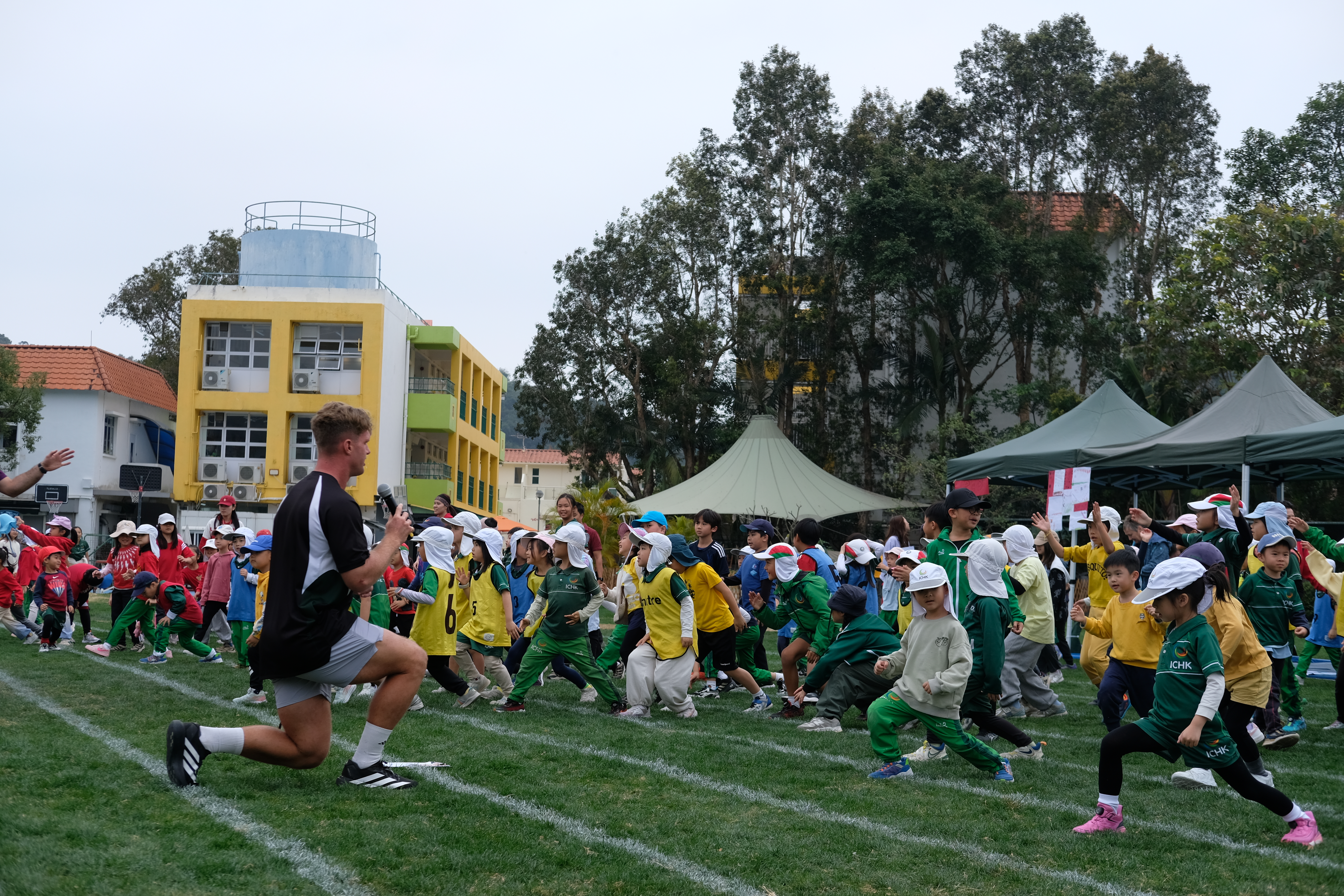
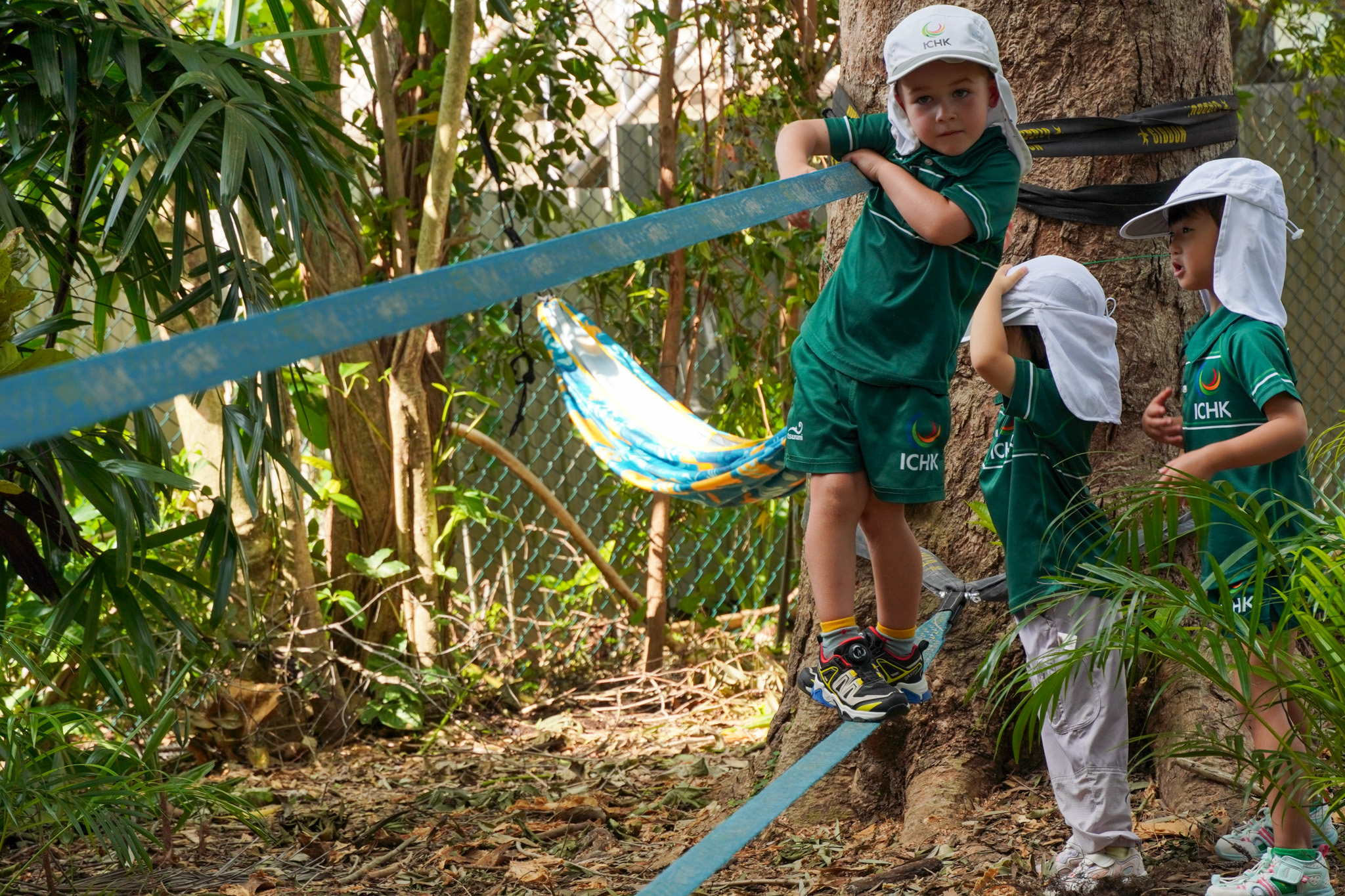
Outdoor learning is central to our philosophy to foster a love of nature and hands-on experiences. Students have weekly lessons with our specialist outdoor learning team and term trips that align with their units of inquiry.
After school every day, we have an extensive extra-curricular activity programme, including yoga and mindfulness, sports and fitness programmes, parent-child wellbeing workshops, and much more.
For students who require additional support, our school counsellor is always available to work with them and liaise with class teachers and families. Our librarian also runs friendship groups and mediation to support students in developing their social skills.
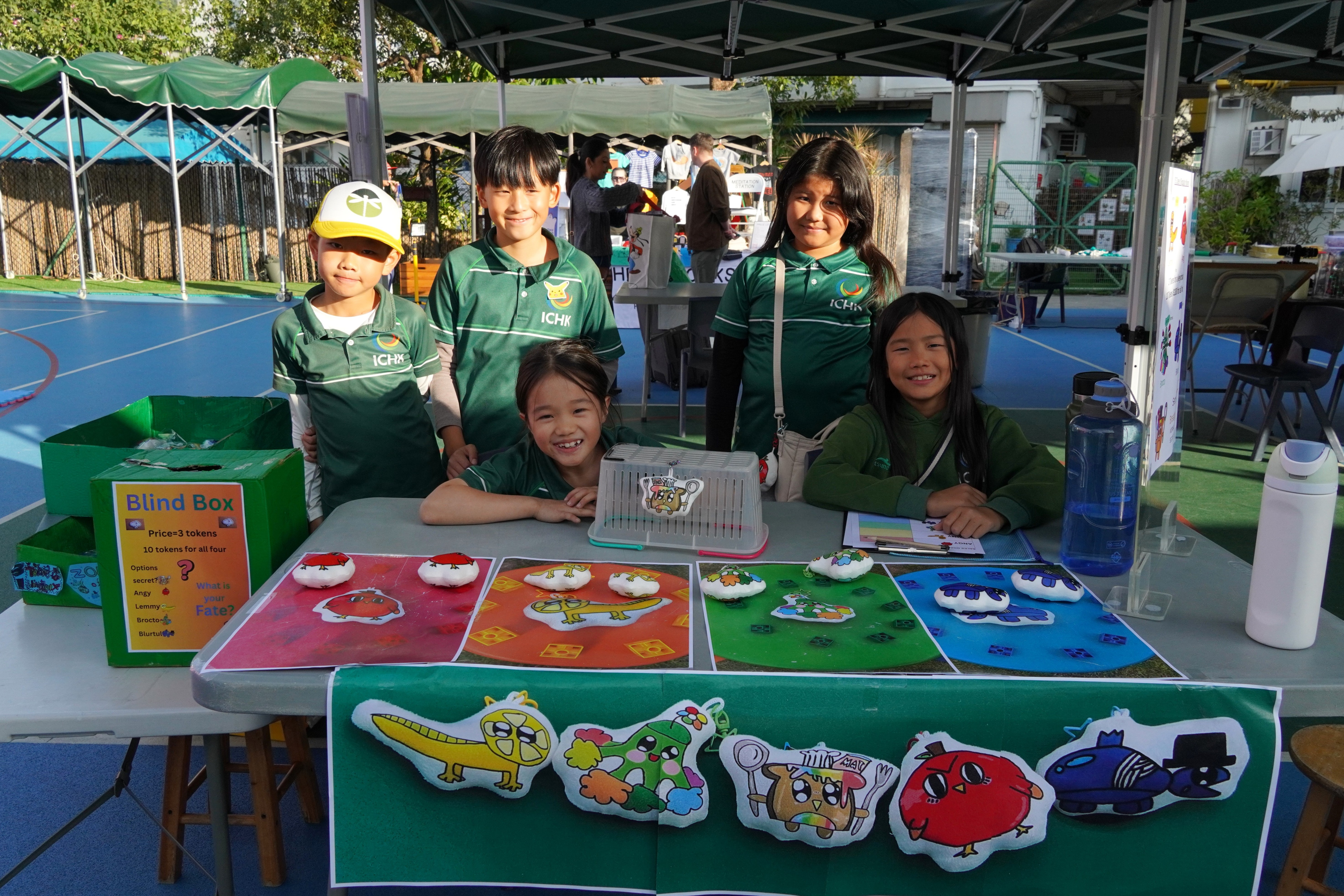
Throughout the school year, we have many events that foster a sense of community, such as our overnight camp on the school field, outdoor movie nights, a school disco, and “party in the park”. These are organised by our parents’ community events committee, who do a brilliant job of creating opportunities and experiences for all.
 |
 |
Why is developing a common language around emotional regulation important, and how has it been implemented?
We implemented Zones of Regulation throughout the school with both students and staff to establish a consistent, shared language for emotional regulation. We also held parent information sessions so that families understood the approach and could reinforce it at home.
By embedding this across the whole school community, it became part of everyday routines at both school and home. Using the same language helps students communicate their feelings more effectively, particularly when they are dysregulated, and ensures staff apply the approach consistently across all curriculum areas. This includes modelling the language and building it into daily check-ins and discussions.
It matters because when students recognise their own emotions, they’re better able to understand what they need and choose the right strategies to regulate. Over time, they also become more aware of how others around them may be feeling, which improves empathy and peer relationships, reduces misunderstandings and helps everyone feel safe and supported.
What changes have you observed in students’ emotional awareness and self‑regulation since adopting the Zones of Regulation?
Students are better able to recognise when they are feeling frustrated or upset, name what they are feeling, and explain why they may be feeling that way. They also use clear, agreed strategies to help them regulate and move forward.
Equally, staff have become more consistent in their responses, using the same language and tools across the school. This means teachers can support students quickly and effectively when they become dysregulated, helping them settle and re-engage.
What overall improvements in school culture and wellbeing have resulted from these initiatives?
Students are now more confident in discussing their emotions and identifying strategies that help them feel calm, focused and ready to learn.
Teachers report stronger relationships with students and a greater ability to proactively support emotional wellbeing in the classroom.
School wellbeing data showed emotional regulation scores improving from 69% to 74%, while emotional wellbeing scores increased from 74% to 83% within just a few months. By combining emotional learning, outdoor education and community collaboration, ICHK has created a holistic wellbeing culture where students are supported to truly flourish.
What do you do to stay healthy?
Many of our staff have different interests and hobbies to stay fit and healthy. We have staff who enjoy trail running, hiking, hyrox, padel, cycling and rugby. Each term at school, we also run a friendly staff tournament in different sports such as T-ball, pickleball or spikeball. This fosters the sense of wellbeing and encourages everyone to lead a healthy, active life!
See YAF blog
1/08/2025
Spotlight On YAFies: Zoe Wong

1/10/2024
Spotlight On YAFies: Lola Clavel and Stephanie McNicol
1/06/2023
Spotlight On YAFies: Molly Wong
1/05/2023
Spotlight On YAFies: Karen Pow

1/04/2023
Audition Tips for Actors
1/04/2023
Auditions Tips for Dancers
1/03/2023
Spotlight on YAFies: Chao Harn-kae

1/02/2023
Spotlight on YAFies: Kessay Chan
15/12/2022
Spotlight on YAFies: Wendy Tsang
1/12/2022
Spotlight on YAFies: Christopher Chung
Comments